
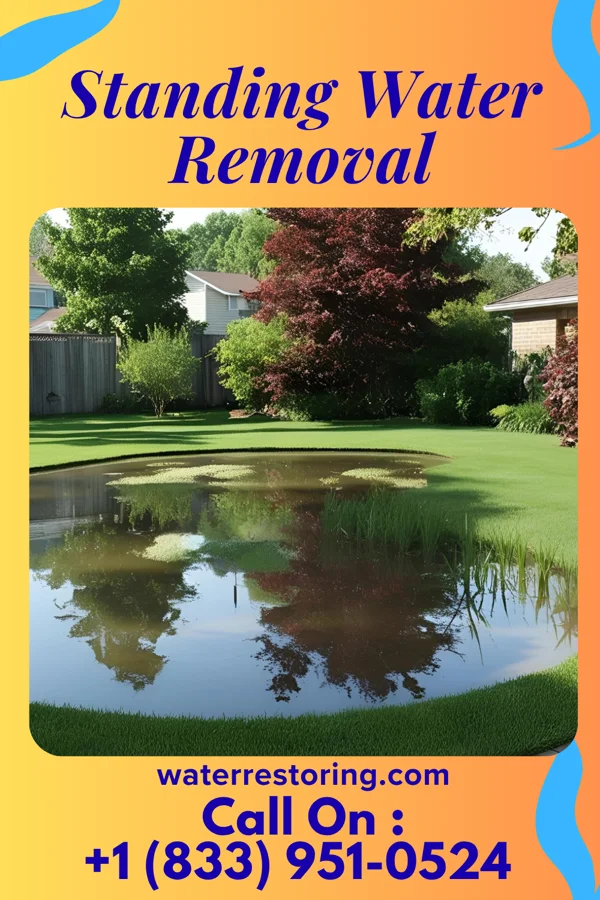
Common Standing Water Causes in Waynesburg
Most standing water removal calls in Waynesburg come from In Waynesburg, Pennsylvania, primary water damage often stems from burst pipes in older homes and sudden flooding due to heavy rainfall in the surrounding rural areas. The region's seasonal storms and proximity to the Ohio River can lead to unexpected water intrusion, especially in low-lying neighborhoods near West Waynesburg.. A close second is Secondary causes include malfunctioning sump pumps, sewer backups from nearby towns like Rogersville, and groundwater seepage in areas with poor drainage. Mather and other nearby communities also experience similar risks due to their shared infrastructure.. If you know what is about to happen, the decisions during the first 48 hours get a lot easier.
Waynesburg's rural setting and proximity to the Ohio River make it susceptible to flash flooding during spring thaw and summer storms. The area's relatively flat terrain and clay soils can slow drainage, increasing the risk of prolonged water exposure.
Most standing water removal calls in Waynesburg come from In Waynesburg, Pennsylvania, primary water damage often stems from burst pipes in older homes and sudden flooding due to heavy rainfall in the surrounding rural areas. The region's seasonal storms and proximity to the Ohio River can lead to unexpected water intrusion, especially in low-lying neighborhoods near West Waynesburg.. Running a close second is Secondary causes include malfunctioning sump pumps, sewer backups from nearby towns like Rogersville, and groundwater seepage in areas with poor drainage. Mather and other nearby communities also experience similar risks due to their shared infrastructure.. Local mold risk: Mold growth in Waynesburg can occur rapidly due to the region's humid summers and frequent rainfall, especially in older homes with inadequate insulation. Prompt water damage response is critical to prevent mold spread in this climate.
For public guidance on the health effects of mold after prolonged water exposure, see the EPA mold and health page.